
Fabric Guide · Cotton Ripstop
Cotton Ripstop Fabric: What It Is, How It Works, and When to Use It
Why the weave structure matters
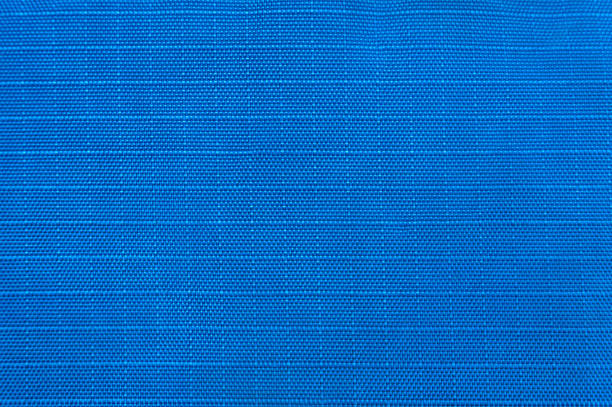
Standard cotton tears in a straight line once punctured — nothing interrupts the damage. Ripstop changes this by weaving thicker reinforced threads at regular intervals in both directions, forming a visible grid. When the fabric is stressed, the grid absorbs and contains the force. The tear stops at the nearest reinforced line instead of running through the whole garment.
The result is a fabric that can be made lighter without becoming fragile. At 150–155 gsm, cotton ripstop is breathable enough for a work shirt but structurally stronger than plain-weave cotton at the same weight — a practical trade-off that matters in hot working environments where every gram counts. See: 100% Cotton 155gsm Ripstop Hi-Vis Yellow
Most buyers focus on weight when sourcing cotton ripstop, but the grid pitch — how frequently the reinforced threads are spaced — matters just as much. A tighter grid means more reinforcement points and better tear containment, but also a more visible texture. For work shirts, a subtler grid reads more professional. For cargo pants and coveralls, a pronounced grid signals durability. We adjust pitch by end-use, not just gsm.
Cotton ripstop vs cotton twill: which one do you need?
Both fabrics appear in similar weight ranges and both are widely used in workwear. The difference comes down to what the garment will face in daily use.
| Property | Cotton Twill | Cotton Ripstop |
|---|---|---|
| Weave structure | Diagonal lines | Crosshatch grid |
| Tear resistance | Standard | Excellent |
| Surface appearance | Smooth, neat drape | Slightly textured |
| Wrinkle resistance | Good (diagonal weave helps) | Moderate |
| Best applications | Uniforms, formal shirts | Cargo pants, jackets, coveralls |
| Weight range | 150–300+ gsm | 150–300+ gsm |
Twill’s diagonal weave gives it a natural wrinkle resistance and a cleaner surface — the right choice when the garment’s appearance matters and physical stress is low. Ripstop is the better choice at knee panels, cargo pockets, and cuffs: high-stress points where regular cotton would eventually fail. If you’re building ripstop pants, this structural advantage is precisely why ripstop fabric became the standard in that category.
Is cotton ripstop good for hot weather?
Yes — and this is where 100% cotton ripstop has a clear advantage over synthetic or blended alternatives. Because it’s natural cotton, the fabric absorbs moisture and releases it through evaporation. Synthetic ripstop (typically nylon or polyester) repels moisture rather than absorbing it, which keeps the fabric dry but traps heat against the body.
In practice, Australian workwear brands have made cotton ripstop a standard for outdoor work shirts precisely because of this. The combination — UPF 50+ finishing for UV protection and breathable cotton construction — addresses both sun exposure and heat in a single fabric. Lightweight ripstop at 150–155 gsm handles this well; heavier weights are better suited to cooler or more protection-focused applications.
We see polycotton ripstop specified more often in European and cooler-climate markets where moisture management matters less than durability and wash performance. For tropical and high-UV markets — Australia, Southeast Asia, the Middle East — 100% cotton remains preferred. The breathability difference is tangible in sustained outdoor use, not just on paper. Read more in our guide to poly-cotton ripstop for workwear if you’re evaluating both options.
Cotton ripstop vs nyco and polycotton: a practical comparison
Three fabric types come up in most workwear sourcing discussions. Each makes a different trade-off:
| Property | 100% Cotton Ripstop | Nyco (Nylon/Cotton) | Polycotton Ripstop |
|---|---|---|---|
| Breathability | Excellent | Good | Good |
| Tear resistance | Very good | Excellent (nylon reinforcement) | Very good |
| Moisture management | Absorbs & releases | Quick-dry (synthetic) | Moderate |
| Skin comfort | Soft, natural feel | Slightly synthetic feel | Comfortable |
| Typical market | AU, tropical, FR applications | Military, tactical | Europe, general workwear |
Nyco’s nylon component gives it the highest raw tear strength of the three, which is why it’s standard in military and tactical applications. But nylon changes the skin feel noticeably. For workwear where workers are in hot conditions all day, the comfort argument tilts toward cotton or polycotton. If you’re building a custom program, we cover the sourcing trade-offs in more depth in our custom ripstop fabric workwear guide.
Choosing the right weight for your application
Functional finishes: what cotton ripstop can do beyond the base fabric
Beyond DWR, cotton ripstop accepts a wide range of finishing treatments without losing breathability. Finishes can also be stacked — UPF 50+ combined with water repellency is a standard combination for Australian outdoor workwear.
FAQ
One quick test: will the garment face mechanical stress at the knees, pockets, or cuffs? If yes, ripstop. If the priority is a clean, professional appearance with minimal wrinkling, twill.
It’s one of the better options. Natural cotton breathes and regulates body temperature in ways synthetic fabrics can’t match. The lightweight 150–155 gsm range is specifically suited to hot climates — which is why it dominates the Australian outdoor workwear market.
Nyco = highest tear strength, tactical/military use, less comfortable in heat. Polycotton = balanced durability and wash performance, common in European workwear. 100% cotton = best breathability and skin comfort, preferred in tropical and high-UV markets. The right choice depends on climate and end-use, not just spec sheets.
Standard MOQ is 3,000–5,000 meters per color. Free samples up to 2 meters are available before committing to a full order — most dispatch within 2 business days.
Yes. We dye to Pantone reference or physical swatch — hi-vis yellow, navy, khaki, or any branded color. Send your spec and we’ll confirm feasibility and lead time.
Sourcing cotton ripstop for a workwear program?
We produce to specification and can arrange samples before you commit to a full order.
Looking for a complete overview? Read our guide: Ripstop Fabrics for Workwear