
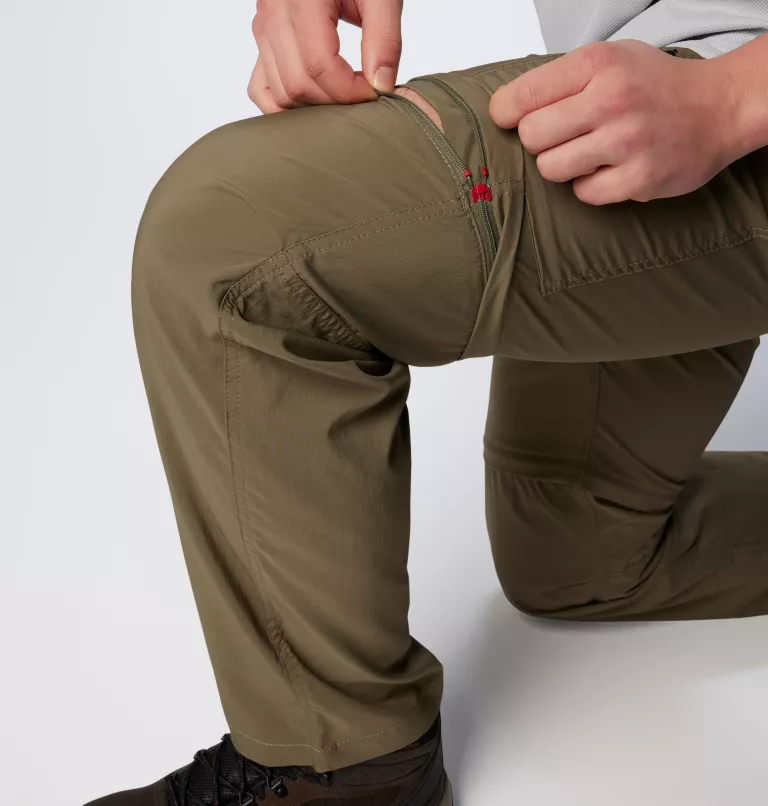
Recycled polyester/organic cotton stretch fabric works for most workwear applications that need movement — trousers, coveralls, and jackets — but the right stretch fiber depends on how much recovery you need and how the garment will be laundered. Spandex gives the highest stretch and recovery but the least industrial-wash durability; T400® holds up better to repeated industrial laundering; mechanical stretch skips elastic fiber entirely and costs less, at the expense of stretch percentage. The fiber choice, not the “recycled” or “organic” label, is what actually determines fit and durability.
Buyers researching this fabric usually already know they want a sustainable stretch option — the harder part is picking the right stretch fiber and spec for a specific garment. Here’s what to weigh, and what to have ready when you request a quote.
Which Garments Suit This Fabric?
Recycled polyester/organic cotton stretch blends are most common in work trousers, cargo pants, coveralls, and lighter jackets — garments where the wearer needs to bend, crouch, or reach repeatedly. They’re less commonly used for structured outerwear or heavy protective layers, where a stable, non-stretch fabric is often the better fit.
See: Recycled Polyester/Organic Cotton Stretch Fabric for Trousers
2-Way or 4-Way Stretch?
2-way stretch moves in one direction, usually width-wise, and suits garments where the main motion is bending at the knee or hip — most work trousers fall here. 4-way stretch moves in both width and length, which matters more for garments with a closer fit or a wider range of motion, such as tactical-style pants or fitted jackets. If you’re not sure which your product needs, the deciding factor is usually how close-fitting the final garment is, not how “premium” you want it to look.
Stretch Percentage and Recovery Rate
Stretch percentage tells you how far the fabric extends; recovery rate tells you how well it returns to its original shape afterward — and recovery is the number that actually predicts how the garment will look after months of wear. A fabric with high stretch but poor recovery will bag out at the knees and seat well before it wears through. When comparing fabrics, ask for both numbers, not just the stretch percentage on its own.
Spandex, XLA, T400, Sorona, or Mechanical Stretch?
These aren’t interchangeable — each behaves differently under repeated industrial washing and heat, which is usually the deciding factor for workwear:
| Stretch Type | Stretch/Recovery | Industrial Wash Durability |
|---|---|---|
| Spandex | Highest stretch and recovery | Degrades fastest under repeated high-heat industrial laundering |
| XLA | High stretch and recovery, similar range to spandex | Better heat and chlorine resistance than standard spandex |
| T400® | Moderate stretch, strong recovery | Holds up well to repeated industrial washing and chlorine bleach |
| Sorona® | Moderate stretch, good recovery | Good durability; partly plant-based fiber content |
| Mechanical Stretch | Lower stretch percentage, no elastic fiber to lose recovery over time | Most stable under repeated industrial washing, since there’s no elastic fiber to degrade |
Industry Perspective
For uniforms going through commercial or industrial laundering every week, we steer buyers away from standard spandex blends — the elastic fiber is usually the first thing to break down, well before the outer fabric shows wear. Mechanical stretch or T400 tends to outlast spandex in that laundering cycle, even with a slightly lower stretch percentage.
Industrial Laundering Suitability
If the garment will go through commercial or industrial laundering — high heat, repeated cycles, sometimes chlorine bleach — that requirement should come before stretch percentage in your decision. Mechanical stretch and T400 generally hold up better across repeated industrial wash cycles than standard spandex blends, which is worth weighing even if spandex tests better on day one.
GSM Range
Since this fabric is made to order, GSM isn’t fixed to a narrow band — we produce it anywhere from around 100 gsm up to 350 gsm depending on the construction and stretch fiber. Lighter weights (100–180 gsm) suit warmer climates or lighter-duty garments; mid weights (180–260 gsm) cover most trousers and coveralls; heavier weights (260–350 gsm) suit garments needing maximum abrasion resistance. Your target GSM is one of the specs to confirm upfront, not something to leave open in an RFQ.
Common Constructions: Twill, Canvas, or Ripstop
The same stretch yarn can be woven into different base constructions depending on the garment’s needs: twill for a smoother surface and better drape, canvas for maximum abrasion resistance and weight, or ripstop where tear containment matters more than surface finish. The stretch fiber and the weave are independent decisions — pick the weave based on how the garment will be used, then choose the stretch fiber based on laundering and recovery needs.
See: Recycled Polyester/Cotton 250gsm Canvas
Cost Differences
Spandex is generally the least expensive stretch fiber option. XLA sits above it — despite similar stretch performance, XLA typically costs more than standard spandex. Sorona and T400 are priced a step above standard spandex as well, due to branded fiber licensing and performance properties. Mechanical stretch removes elastic fiber cost entirely, but the fabric itself needs a more specialized weave to achieve stretch without it, which can offset some of the savings. Recycled polyester and organic cotton content add a further premium on top of the stretch fiber cost, consistent with certified fiber pricing generally.
MOQ and Lead Time
Standard stretch fabric orders typically run a 3,000–5,000m minimum on stock or near-stock constructions, rising to around 10,000m for GRS-certified or fully custom stretch weaves. Lead time is usually 15–20 days for stock greige fabric, extending to 40–50 days for made-to-order stretch constructions and similarly 40–50 days for GRS-certified orders, since certified fiber sourcing adds a step to the supply chain.
What to Include in Your RFQ
Quotes come back faster and more accurate when the initial request includes:
- Fiber composition and blend ratio, including recycled/organic content percentage if certification is required
- Target GSM and construction (twill, canvas, or ripstop)
- Stretch direction (2-way or 4-way) and, if known, target stretch/recovery percentage
- End use and laundering method (home wash vs. industrial/commercial laundering)
- Order quantity and target delivery timeline
- Whether GRS or OCS certification and a Transaction Certificate are required for this order
Not sure which stretch fiber fits your product?
Send us your garment type, GSM target, and laundering method, and we’ll help you narrow down the right stretch fiber and construction before you request samples.
Looking for a complete overview? Read our guide: Sustainable Workwear Fabrics