
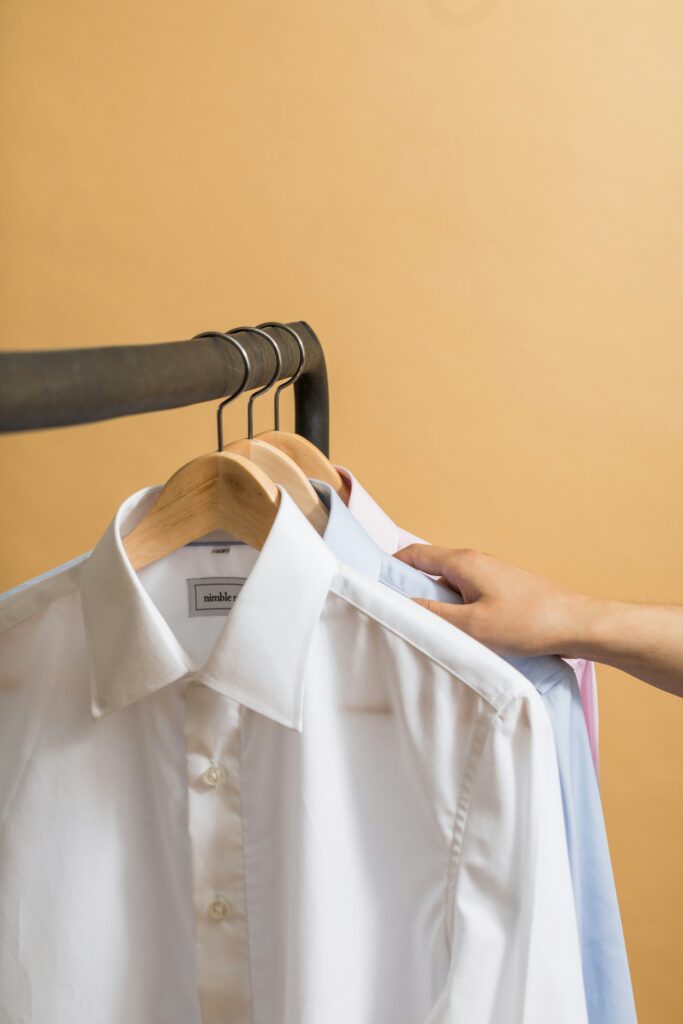
Wrinkled shirts are one of the most common problems I encounter when working with apparel brands and garment factories. After washing tests or shipment, some fabrics simply don’t hold their shape well. Customers today expect non-iron shirts and wrinkle-free garments that stay smooth throughout the day. That’s why wrinkle-free cotton fabric finishing has become essential for modern shirt and dress production.
Wrinkle-free cotton fabric is cotton treated with a special finishing process that improves wrinkle recovery and reduces the need for ironing. The treatment stabilizes the cellulose structure of cotton fibers through chemical cross-linking, allowing shirts and dresses to remain smooth after washing. Advanced processes such as liquid ammonia finishing further improve softness, dimensional stability, and durability.
Over the years, I’ve worked with many brands sourcing wrinkle-resistant shirt fabrics, especially for uniforms, workwear, and business shirts. Through actual production and bulk orders, I’ve seen how different finishing methods influence fabric quality, sewing performance, and garment appearance. Here’s what I’ve learned from real projects.
What Is Wrinkle-Free Cotton Fabric?
When buyers ask me about wrinkle-resistant cotton fabric, I usually explain it in simple terms.
Cotton fibers naturally wrinkle because the cellulose molecules shift when the fabric is bent or washed. To reduce this effect, textile mills apply a finishing process that stabilizes the fiber structure.
During wrinkle-free finishing, chemical cross-linking agents form bonds between cotton molecules. This helps the fabric return to its original shape after creasing.
Because of this treatment, the fabric becomes:
- wrinkle resistant
- easier to maintain
- suitable for non-iron shirt fabric
- ideal for uniforms and work shirts
This technology is also known as:
- durable press finishing
- wrinkle resistant finishing
- non-iron fabric finishing
Reference: https://en.wikipedia.org/wiki/Wrinkle-resistant_fabric
Common Wrinkle-Free Finishing Methods for Shirt Fabrics
From my experience working with international buyers, three finishing methods are commonly used in shirt fabric production. Each method has different advantages.
1) Fabric Wrinkle-Free Finishing
This is the most widely used finishing method for cotton shirt fabric and poly cotton shirt fabric.
The wrinkle-free treatment is applied directly to the fabric during the finishing stage before garments are produced.
Why many buyers choose this method
In actual production orders, this method offers several practical benefits:
- consistent quality for large orders
- lower processing cost
- suitable for cotton poplin fabric for shirts
- compatible with large textile finishing lines
For example, many brands use poly cotton poplin fabric for work shirts because it balances durability, comfort, and cost.
Here is an example of this type of fabric used for workwear shirts:
👉 https://ripstopfabric.com/product/polycotton-150gsm-poplin-fabric-combed-yarn-for-work-shirts/
This kind of poly cotton poplin shirt fabric works well with wrinkle-free finishing, especially for uniforms and industrial garments.
2) Liquid Ammonia + Wrinkle-Free Finishing
This is the finishing method I personally recommend most for high-quality cotton shirts.
In this process, the fabric first undergoes liquid ammonia treatment, followed by wrinkle-free finishing.
Liquid ammonia penetrates the cotton fibers and temporarily swells them. When the ammonia evaporates, the fibers rearrange into a smoother and more uniform structure.
From my production experience, fabrics treated with liquid ammonia finishing often show clear improvements.
Benefits I often observe
Compared with regular wrinkle-free finishing, liquid ammonia finished fabrics usually have:
- softer hand feel
- smoother surface appearance
- improved wrinkle recovery
- better fabric strength retention
- better dimensional stability
When buyers compare standard wrinkle-resistant cotton fabric with liquid ammonia finished cotton fabric, they often immediately notice the difference in softness and smoothness.
Further reading:
https://www.sciencedirect.com/topics/engineering/liquid-ammonia-treatment
https://ghulamdin.com/blogs/news/what-is-liquid-ammonia-finish-laf-fabric-the-secret-to-luxurious-durable-textiles
3) Garment Wrinkle-Free Finishing
Another approach used in the industry is garment wrinkle-free finishing.
Instead of treating the fabric first, the finishing process is applied after the garment is sewn. The finished shirts are placed in specialized equipment where wrinkle-free treatment is applied to the entire garment.
However, many buyers prefer fabric finishing methods because they provide more predictable results during garment production.
Easy Care Fabric vs Wrinkle-Free Fabric
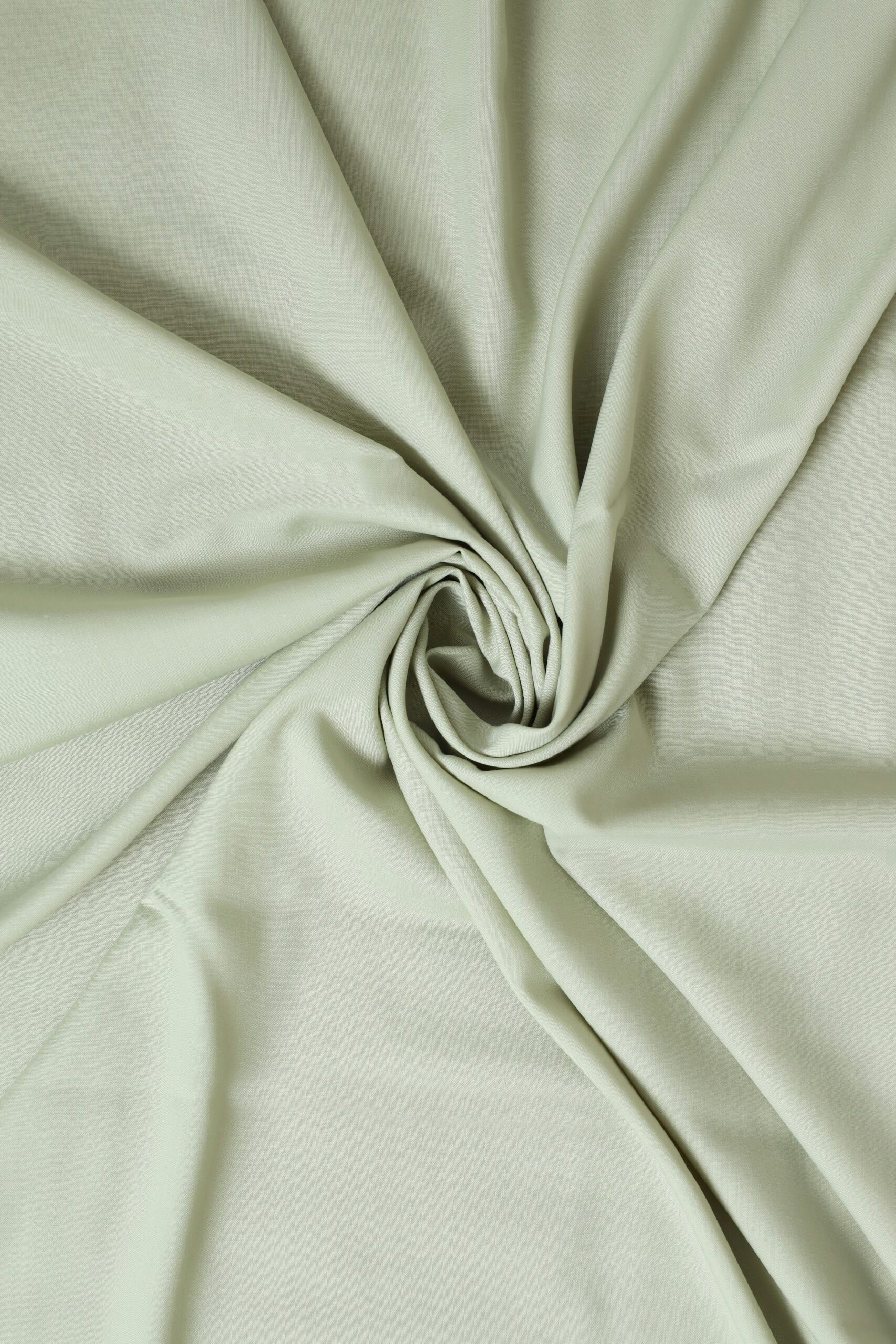
During development discussions, buyers sometimes ask whether easy care fabric is the same as wrinkle-free fabric.
From a technical perspective, they are quite different.
Easy care fabric finishing reduces wrinkles slightly and makes garments easier to iron. But wrinkle-free finishing provides much stronger wrinkle recovery.
| Fabric Type | Wrinkle Resistance | Ironing Requirement |
|---|---|---|
| Easy Care Cotton Fabric | Medium | Usually required |
| Wrinkle-Free Cotton Fabric | High | Minimal ironing |
Reference: https://www.nearchimica.it/en/insights/wrinkle-free-fabrics-easy-to-iron/
A Real Production Issue I Encountered: Seam Puckering
One issue I occasionally see during production is seam puckering. This problem sometimes appears when easy care finishing is used.
I once handled an order where a customer reported puckering around the shirt placket and stitching lines after bulk production.
After reviewing the situation, we identified a few factors:
- the fabric structure was plain weave cotton poplin
- easy care finishing had been applied
- sewing tension amplified the effect
Unfortunately, plain weave fabrics are more sensitive to this issue.
Our usual recommendation
Option 1 — Switch to twill fabric
Twill structures usually perform better during sewing and reduce puckering.
Option 2 — Use garment wrinkle-free finishing
This allows the garment to stabilize after sewing.
Discussing these details early during development can help prevent production problems.
Tips for Buyers When Sourcing Wrinkle-Free Shirt Fabric
After working with many apparel brands, I’ve learned that buyers should look beyond just wrinkle resistance. When sourcing wrinkle-free shirt fabric, I usually recommend evaluating these factors:
Fabric structure
Plain weave and twill behave differently in sewing.
Finishing technology
Processes such as liquid ammonia finishing significantly improve fabric performance.
Fabric hand feel
Poorly controlled finishing can make fabric stiff.
Sewing compatibility
Good wrinkle-resistant shirt fabric must still perform well during garment manufacturing.
Shrinkage stability
Always test washing results before confirming bulk production.
Contact Us
If you are sourcing wrinkle-free cotton fabric, poly cotton shirt fabric, or liquid ammonia finished fabric, I would be happy to discuss your project.
We support brands, garment factories, and uniform manufacturers with fabric development and bulk production.
📧 sales@ripstopfabric.com
FAQ
What is wrinkle-free cotton fabric?
Wrinkle-free cotton fabric is cotton treated with a finishing process that helps the material resist creasing and maintain a smooth appearance after washing.
What is liquid ammonia finished fabric?
Liquid ammonia finished fabric is cotton treated with liquid ammonia to improve fiber structure, resulting in softer, stronger, and smoother fabric.
Is wrinkle-free fabric suitable for work shirts?
Yes. Many work shirts and uniforms use wrinkle-free cotton or poly cotton poplin fabric because it maintains a neat appearance throughout the workday.
What fabric is best for non-iron shirts?
High-quality cotton fabrics with liquid ammonia finishing and wrinkle-free treatment are widely used for non-iron dress shirts.
Does wrinkle-free finishing damage cotton?
Modern finishing technologies minimize fiber damage and maintain good strength, especially when combined with liquid ammonia treatment.