
Many of my customers ask me the same question:
“What is the difference between stain resistance and soil release?”
These two terms sound very similar, and even experienced buyers sometimes mix them up.
But in fabric finishing, they actually mean two very different functions.
In this article, I’d like to explain them in a simple and practical way.
1. What Does Stain Resistance Mean?
When we talk about stain resistance, we mean a finish that helps the fabric avoid getting dirty in the first place.
After special treatment, the fabric surface becomes more resistant to water, oil, and dirt. Liquids tend to stay on the surface instead of soaking into the fibers.
In daily use, this means:
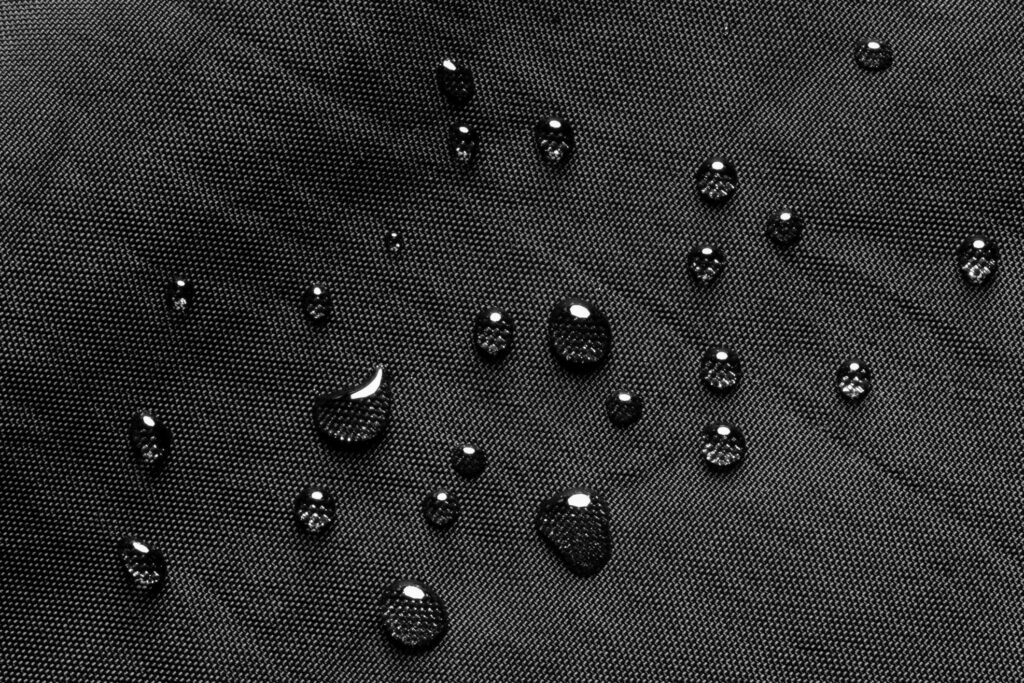
- Water or oil forms small beads on the fabric
- Stains do not easily stick
- The garment stays clean for a longer time
So the main idea of stain resistance is:
“Make the fabric harder to get dirty.”
This function is very useful for:
- Workwear fabrics
- Outdoor clothing
- Uniforms
- Hospitality and service garments
2. What Is Soil Release?
Soil release is different.
It does not stop the fabric from getting dirty.
Instead, it helps the fabric become easier to clean after it gets dirty.
With soil release finishing:
- Dirt does not lock strongly into the fibers
- Stains can be removed more easily in washing
- Normal home washing is usually enough
The main idea here is:
“If the fabric gets dirty, it will be easier to wash clean.”
This is very important for garments that need frequent washing, such as:
- Factory uniforms
- Medical clothing
- Catering and service uniforms
3. The Simple Comparison
To make it clearer, here is an easy summary:
| Function | Stain Resistance | Soil Release |
|---|---|---|
| Focus | Prevent stains | Remove stains |
| Working time | Before staining | During washing |
| Result | Harder to get dirty | Easier to clean |
So in simple words:
- Stain resistance = prevention
- Soil release = easy cleaning
They are related, but they are not the same thing.
4. Can We Have Both Functions Together?
Yes, and in many workwear projects, this is the best solution.
For professional uniforms, customers often request:
- Stain resistance to keep a clean appearance
- Soil release to reduce washing difficulty
Combining both finishes can bring:
- Better long-term appearance
- Lower maintenance cost
- Longer garment life
This is why many of our T/C and cotton workwear fabrics are developed with dual-function finishing systems.
5. A Hot Topic Today: Fluorine-Free (PFAS-Free) Finishes
In the past, most high-performance stain-resistant finishes were based on fluorinated chemicals.
But now, more and more brands are asking for environmentally friendly solutions.
The global trend is moving toward:
Fluorine-free / PFAS-free stain-resistant technologies
These finishes are:
- Safer for the environment
- More sustainable
- Better aligned with European and US regulations
If you want to learn more about fluorine-free finishing technologies, I have written a detailed article here:
Fluorine-Free Waterproof Fabric Guide:
https://ripstopfabric.com/fluorine-free-waterproof-fabric/
This article explains how new-generation eco-friendly finishes work and why they are becoming more and more important in the textile industry.
6. How to Choose the Right Finish?
From my experience, the best choice depends on:
- The end use of the garment
- Washing frequency
- Market requirements
- Environmental standards
Some projects need only soil release.
Some need strong stain resistance.
And some need both – especially for high-end workwear.
Final Thoughts
I always tell my customers:
- Stain resistance helps you stay clean.
- Soil release helps you clean easily.
Understanding this difference will help you choose the right fabric and finish for your products.
If you are not sure which solution is best for your project, feel free to contact me.We’re always happy to help you find the most suitable option.